

Understanding the Clinical Shift from Bone Marrow to PBSC
Welcome to Part 2 of our The Evolution of Cell Therapy series. In Part 1, we saw how bone marrow transplantation proved that cells themselves could be used as medicine. In Part 2, we explore how peripheral blood stem cells (PBSCs) made that idea practical at scale, improving donor experience and embedding reliable systems for collection, processing and storage.
At Biovault Technical, we are often asked how stem cell sources have evolved and why peripheral blood stem cells, or PBSCs, now play such a central role in both transplantation and research. It is a useful question because the transition from bone marrow to PBSCs is not simply a matter of convenience. It reflects decades of scientific refinement, changing clinical practice, and improvements in donor experience.
This article explores the reasons for that shift, the standards that guide it, and how Biovault supports organisations that depend on high-quality cellular processing, storage and release.
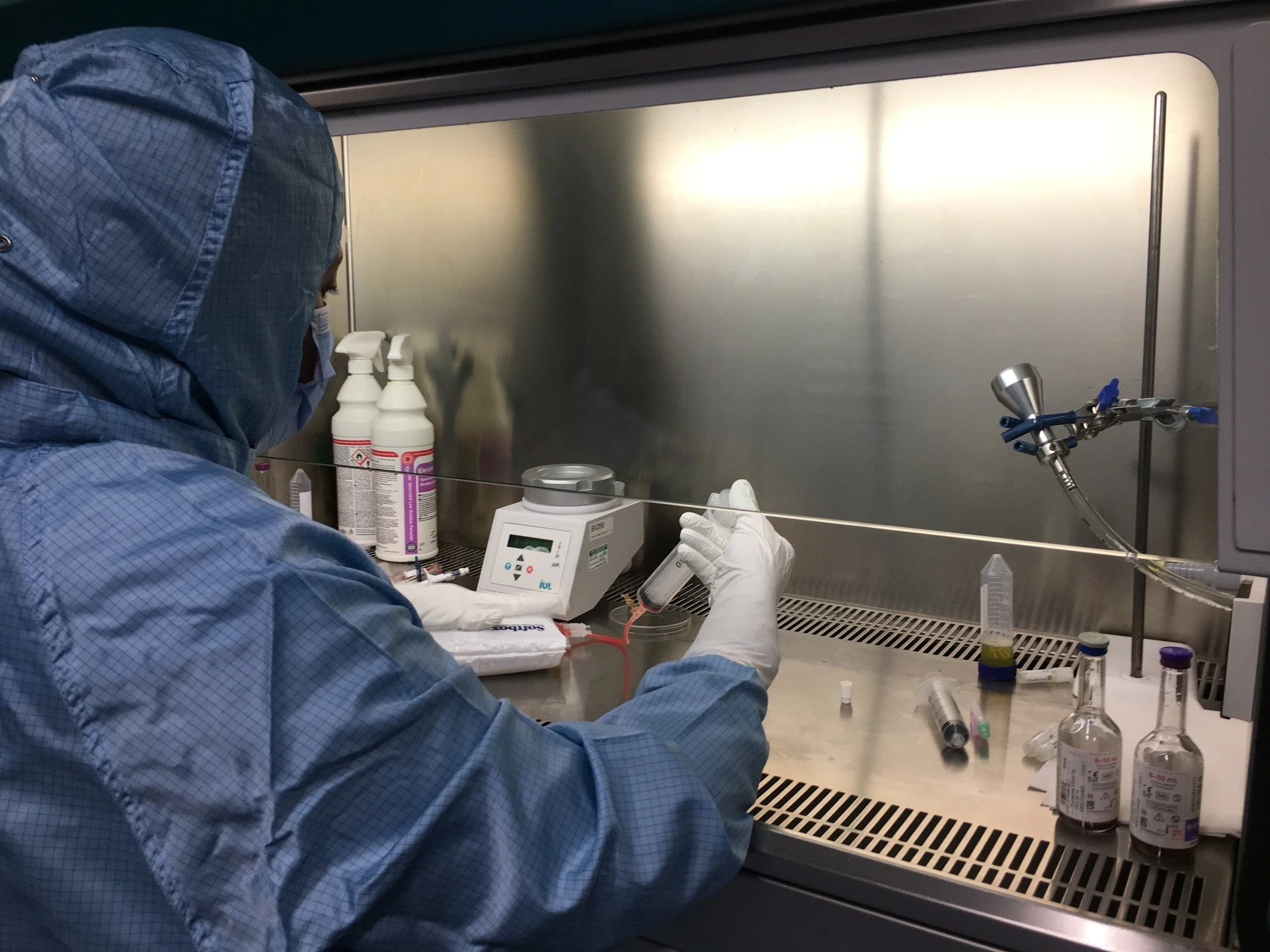
Processing PBSCs at Biovault Technical
Why PERIPHERAL BLOOD STEM CELLS BECAME THE PREFERRED SOURCE
For many years, bone marrow was the primary source of haematopoietic stem cells. It required a surgical procedure under anaesthetic and carried the risks typical of any invasive intervention. As the Cochrane Collaboration summarises, “PBSC transplantation leads to earlier neutrophil and platelet recovery than bone marrow transplantation” (Cochrane Review). That simple observation, supported by numerous comparative studies, laid the groundwork for widespread change.
The key development was the introduction of granulocyte colony-stimulating factor, or G CSF, which encourages stem cells to migrate from the bone marrow into the bloodstream. The American Society of Haematology describes this as a “revolution in stem cell mobilisation” because it made PBSC collection predictable and clinically practical (ASH Review).
PBSC collection also reduces the burden on donors. It is performed through apheresis rather than surgery, allowing donors to remain awake and recover rapidly. Over time, these factors have made PBSCs the predominant source for autologous and allogeneic transplantation.
The Clinical Perspective on PBSC Transplantation
Clinicians often describe PBSCs as reliable, efficient and evidence-based. EBMT guidance notes that PBSCs support “more rapid haematopoietic recovery and predictable engraftment kinetics”, qualities that matter in high-risk transplant settings (EBMT Guidance).
These advantages do not eliminate the important role of bone marrow, which remains the preferred source in some paediatric and immunological contexts. However, PBSCs have become the standard pathway for the majority of adult patients and for a growing number of advanced cellular therapies.
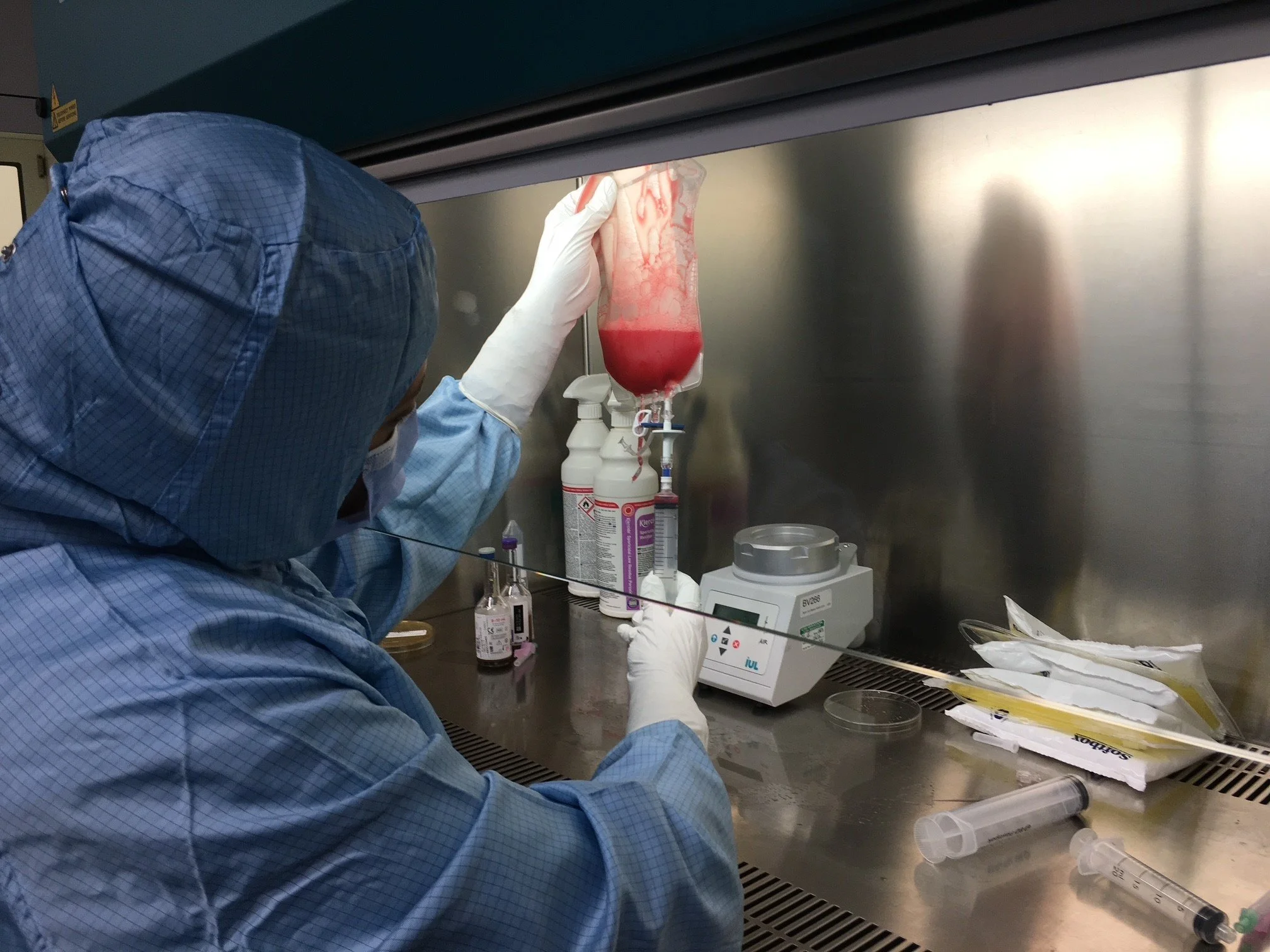
Processing PBSCs at Biovault Technical - drawing cells
Standards for PBSC Collection, Processing and Storage experiments
High-quality PBSC processing and storage are not defined by convenience alone. They are underpinned by international standards and a strong regulatory framework.
The FACT JACIE Standards Manual emphasises the importance of “validated, reproducible workflows and documented chain of custody throughout processing and storage”, an expectation that aligns closely with the systems and quality culture at Biovault (FACT JACIE Manual).
Labelling and identity assurance also matter. The ISBT 128 standard describes its coding system as providing “unambiguous identification of cellular therapy products” to reduce errors and support safe clinical release (ISBT 128 Standard). This is particularly important for NHS Trusts and research organisations working across different sites and systems.
The Human Tissue Authority, which licenses our storage facility, frames its regulatory purpose clearly: to ensure that tissues and cells are “safe, lawful and high quality throughout their use” (HTA Guidance). These principles guide our daily practice.
How Biovault Supports PBSC Processing, Cryopreservation and Release
Biovault works at the intersection of scientific precision and practical patient care. PBSCs are one part of a much wider set of services that help clinicians, researchers and cell therapy developers achieve safe and consistent outcomes.
Processing with care
We process minimally manipulated products for human application, including HPC A, HPC M and cord blood-derived HPCs. Each requires careful preparation, controlled-rate freezing, vapour-phase liquid nitrogen storage and clear documentation.
Chain of custody and chain of identity
Accurate identity tracking is essential for both clinical transplant pathways and research integrity. ISBT 128-compliant labelling, internal audit trails and secure inventory systems support an unbroken link from donor to recipient.
Logistics designed for cellular therapy
Transporting PBSCs safely requires more than cold temperatures. Timing, packaging, monitoring and traceability each play a part. Our logistics pathways have been developed specifically for cellular products and are used by NHS Trusts, private clinics and CRO partners.
A secure UK facility
Our HTA-licensed storage facility provides long-term security for PBSCs and other cellular therapy products. Storage is only one part of the picture, however. The ability to retrieve, prepare and release material safely is equally important, particularly in time-sensitive clinical settings.
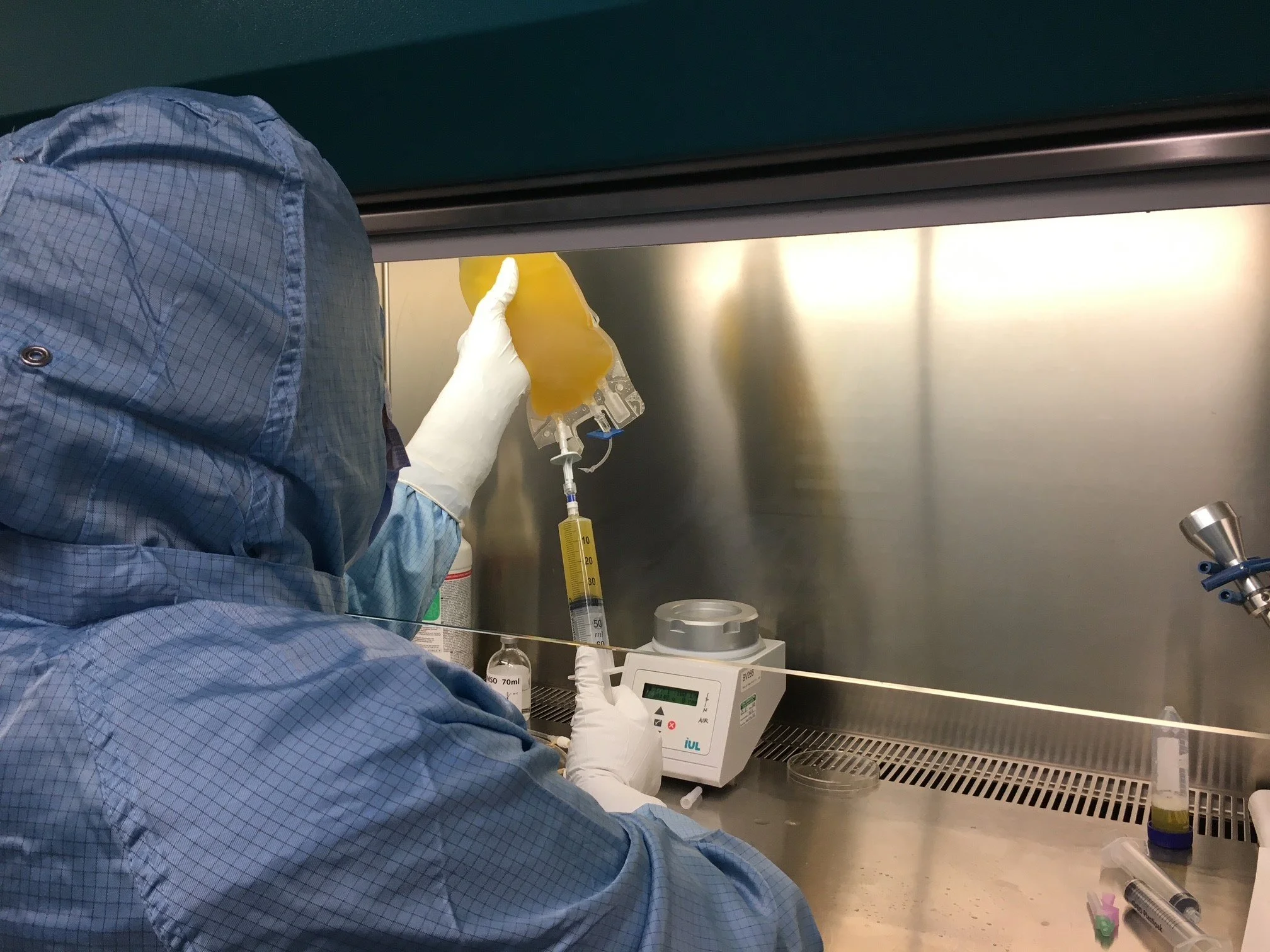
PBSCs and the Future of Cellular Therapies
PBSCs now support a growing field of advanced therapies, including CAR T cell treatments, donor lymphocyte infusions and novel immune effector cell research. They remain a versatile and scalable starting point for innovation, guided by standards that ensure quality and safety.
how biovault can support PBSC therapies and research
As a bioresource, our role is not limited to storage. It includes processing, problem-solving, regulatory insight, and collaboration. PBSCs sit within this wider context and continue to demonstrate how careful, standards-led practice benefits both patients and research.

References & Further Reading
Human Tissue Authority, “Bone marrow and peripheral blood stem cell (PBSC) donation” (HTA Guidance) Authority (HTA) — “Bone marrow and peripheral blood stem cell (PBSC) donation” guidance https://www.hta.gov.uk/guidance-public/body-organ-and-tissue-donation/bone-marrow-and-peripheral-blood-stem-cell-pbsc
American Society of Haematology, “Review of PBSC mobilisation and collection” (ASH Review) https://www.hematology.org/education/patients/bone-marrow-and-peripheral-blood-stem-cell-transplant
Cochrane Collaboration, “Peripheral blood versus bone marrow stem cells for transplantation” (Cochrane Review) https://www.cochranelibrary.com/cdsr/doi/10.1002/14651858.CD010189.pub3/full
FACT JACIE Standards Manual, “Standards for cellular therapy product collection, processing and storage” (FACT JACIE Manual) https://www.ebmt.org/sites/default/files/2021-05/STS_5_2_042_FACT-JACIE%20AccreditationMANUAL%20Eighth%20Edition_8.1_R2_05302021_for%20web.pdf
ICCBBA, “ISBT 128 Standard for Cellular Therapy” (ISBT 128 Standard) https://www.iccbba.org/assets/Publications/ISBT128-CT-White-Paper.pdf
Biovault Technical – Processing and storage pages. https://www.biovaulttechnical.co.uk/processing