
July marks Cord Blood Awareness Month, a time to reflect on the rapid progress made in the understanding and application of umbilical cord blood and tissue in medicine. For Biovault Technical, where we have safeguarded umbilical stem cells for over 20 years, this month offers an opportunity to share meaningful, highly dynamic developments from the field.
Looking Back: The Spark That Proved the Promise
Just over a year ago, we reported on a major step forward in the therapeutic role of cord blood and tissue after clinical studies confirmed the benefits of treatments for children with cerebral palsy (CP).
In an article published in April 2025, titled “Cord Blood Banking Starts to Live Up to its Promise,” Frances Verter, founder of the Parent’s Guide to Cord Blood Foundation, offered a thoughtful summary of two newly published clinical studies confirming these therapeutic benefits:
The Paediatrics Study (April 2025): This study presented final outcomes from a multi-centre trial involving 447 young CP patients. It found that treatment with a single dose of cord blood led to a measurable, statistically significant improvement in gross motor function over a 12-month period compared with controls - noted by the authors as a “large treatment benefit.”
The Stem Cells Translational Medicine Study (May 2025): This study examined the use of mesenchymal stromal cells (MSCs) - a different perinatal cell population - and found similarly positive, regenerative outcomes in children with CP.
Verter’s article contextualised these findings as “the first time that children with a common disability have been helped by perinatal cells in studies that are large, rigorous, and statistically significant.” The data also reinforced the vital importance of high-quality, clinical-grade cord blood storage, as most treated children in the trials received a single highly potent dose rather than multiple smaller doses.
These publications were highly significant because they demonstrated clinical outcomes based on robust study design and highlighted the increasing integration of perinatal cell therapies into regulated medical frameworks globally.
Moving Forward: How Cord Blood is Evolving
The start Frances Verter described was strong, and since then, the field has not stood still. Over the past year, we have seen breakthroughs that are actively reshaping the limits of what cord blood can do. Today, cord blood is evolving from a single-dose transplant option into a highly scalable, adaptable starting material for advanced, "off-the-shelf" therapies.
Here are the major milestones that have emerged over the last 12 months:

“A phase 2 trial found that adding a lab-expanded stem cell product made from multiple pooled cord blood donors to a single cord blood transplant may broaden access to transplants for leukemia and myelodysplastic syndrome patients by speeding early immune recovery while avoiding severe transplant complications.” (Credit: Regen Report)
1. Overcoming the "Cell-Dose" Hurdle in Cancer Transplants
Historically, one of the main limitations of cord blood transplantation has been slower haematopoietic and immune recovery, particularly in adult patients, due to the limited number of stem cells in a single cord unit.
In April 2026, researchers at the Fred Hutch Cancer Center bypassed this bottleneck. Published in the Journal of Clinical Oncology, their Phase II trial combined a single matched cord blood unit with a cryopreserved stem cell product derived from pooled donors. The results were outstanding: adult patients with leukaemia and myelodysplastic syndromes achieved a 96% one-year post-transplant survival rate, with 0% experiencing severe graft-versus-host disease (GVHD).
2. Advancing Post-Viral and Neurological Frontiers
We have also watched therapeutic applications expand far beyond blood cancers. Global innovator StemCyte has spearheaded clinical trials using allogeneic cord blood and cord-blood-derived therapies to treat systemic and neurological conditions:
Stroke Recovery: Clinical data published in Cell Transplantation demonstrated that a single infusion of cord blood mononuclear cells helped an acute ischemic stroke patient with hemiplegia (one-sided paralysis) regain full motor function.
Long COVID Fatigue: Following a successful Phase IIa trial published in The Lancet's EClinicalMedicine, the FDA cleared an Expanded Access Program (EAP) in January 2026 for StemCyte's product, REGENECYTE®, specifically targeting persistent, debilitating Long COVID fatigue.
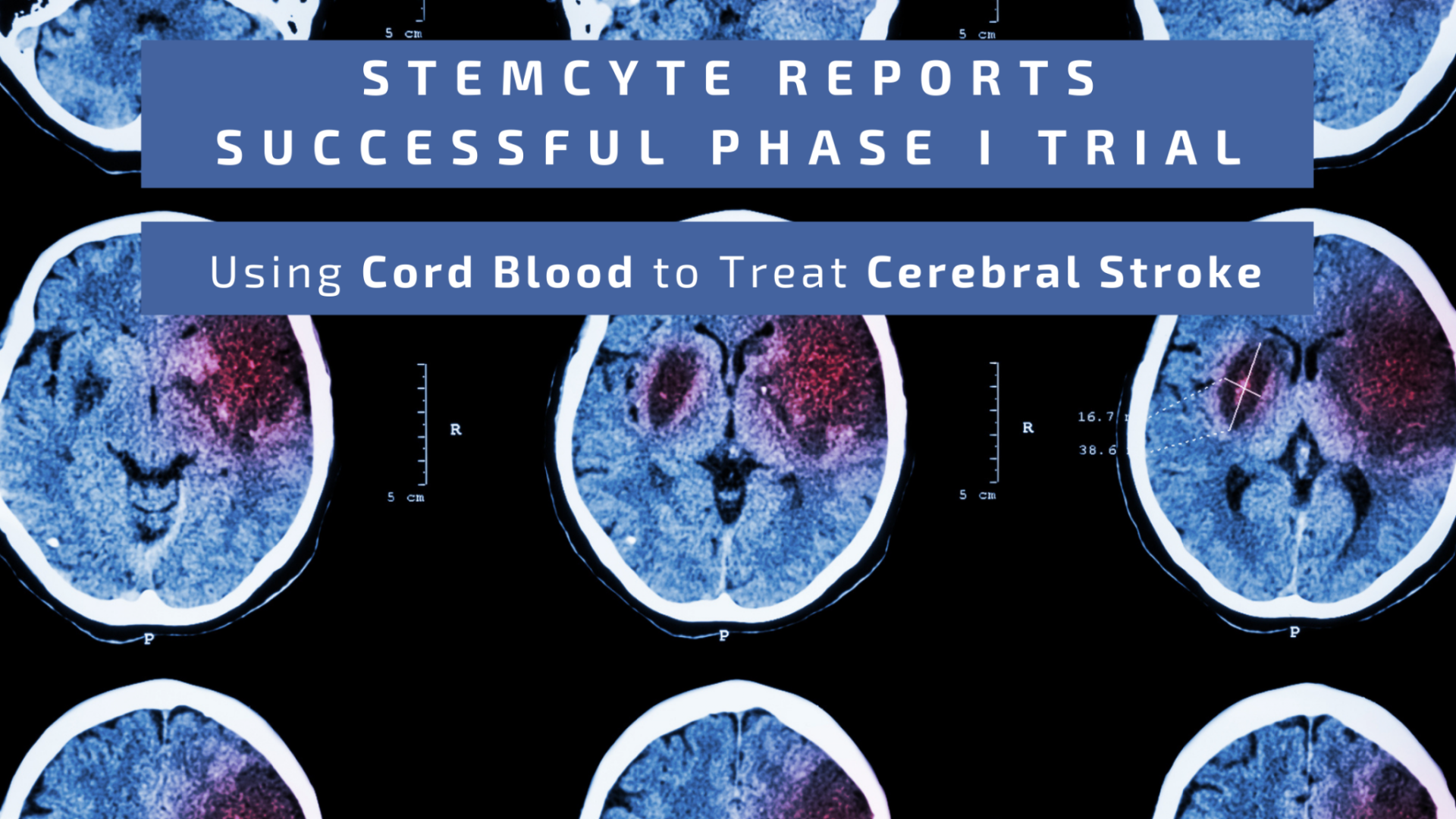
“StemCyte Announces Successful Outcome in Phase I Clinical Trial for Treating Acute Cerebral Stroke Using Allogeneic Human Umbilical Cord Blood” (Credit: Bioinformant)
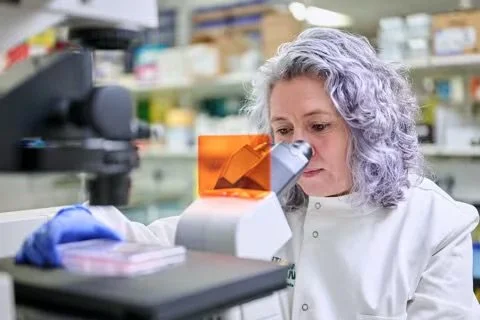
“New research from Anthony Nolan provides clues about selecting the most active NK cells from cord blood donations, so they can be used to develop cell therapies that treat blood cancer.” (Credit: Anthony Nolan)
3. Anthony Nolan's Double Breakthrough: NK Cells & The CORDStrom™ Platform
In the UK, our peers at Anthony Nolan have been highly active in unlocking the broader potential of cord-derived cells:
NK Cells for Immunotherapy (March 2026): Researchers at the Anthony Nolan Research Institute published findings that greatly improve our understanding of Natural Killer (NK) cells harvested from donated cord blood. By identifying how processing speeds, delivery methods, and freezing techniques affect cell growth, they have paved the way for scalable, off-the-shelf cancer immunotherapies.
The CORDStrom™ MSC Platform (May 2026): Anthony Nolan expanded its strategic partnership with INmune Bio Inc. to establish a highly regulated, traceable supply of cord tissue. This platform aims to turn cord-derived MSCs into standardised, scalable therapies, with plans to apply for a Conditional Marketing Authorisation in late 2026 to treat Recessive Dystrophic Epidermolysis Bullosa (a severe genetic skin-blistering condition).
Preserving Options for the Future
As access to these advanced therapies expands, the importance of consistent, high-quality bioresources grows in parallel.
At Biovault, we continue to monitor these rapid developments closely. Our core responsibility remains the long-term, secure storage of cord blood and tissue, maintaining the absolute viability and traceability of these cellular products in line with national and international regulatory standards. We recognise that families, clinicians, and researchers rely heavily on this clinical-grade infrastructure to preserve options for emerging therapies, both now and in the future.
These are exciting times, and clear evidence that we should all be more cord blood aware. Just over a year ago, Frances Verter wrote that cord blood banking was starting to live up to its promise. Today, we are proud to be a part of the next chapter.
This Cord Blood Awareness Month, we thank our clients and collaborators for their ongoing trust. We remain committed to our role as a clinical-grade biorepository, supporting families, researchers, and healthcare providers as the therapeutic use of cord blood continues to evolve. We also extend our thanks to Frances Verter and the Parent’s Guide to Cord Blood Foundation for their continued work in informing families and practitioners, as well as innovators like Anthony Nolan, StemCyte, and Fred Hutch for actively driving this field forward.
At Biovault Technical, we are dedicated to protecting the integrity of every sample entrusted to us, now and into the future.
SOURCES
Could umbilical cord blood provide us with unique cell therapies? Anthony Nolan Research Institute (March 2026)
INmune Bio and Anthony Nolan Announce Strategic Expansion of CORDStrom™ MSC Platform Collaboration (May 2026)
Umbilical cord blood transplant with pooled stem cell product shows 96% survival, Fred Hutch Cancer Center / Journal of Clinical Oncology (April 2026)
Allogeneic human umbilical cord blood cell therapy for acute ischemic stroke, Cell Transplantation / Tzu Chi Medical Journal (July 2025)
Cord blood cell therapy produces durable fatigue reduction in patients with post-COVID syndrome, The Lancet's EClinicalMedicine (January 2026)
FDA clears Expanded Access Program for REGENECYTE® in Long COVID, StemCyte (January 2026)
Cord Blood Banking Starts to Live Up to its Promise, Frances Verter, Parent’s Guide to Cord Blood Foundation (April 2025)
Cord Blood Treatment for Children With Cerebral Palsy, Pediatrics (April 2025)
Clinical Evidence of Mesenchymal Stromal Cells for Cerebral Palsy, Stem Cells Translational Medicine (May 2025)